
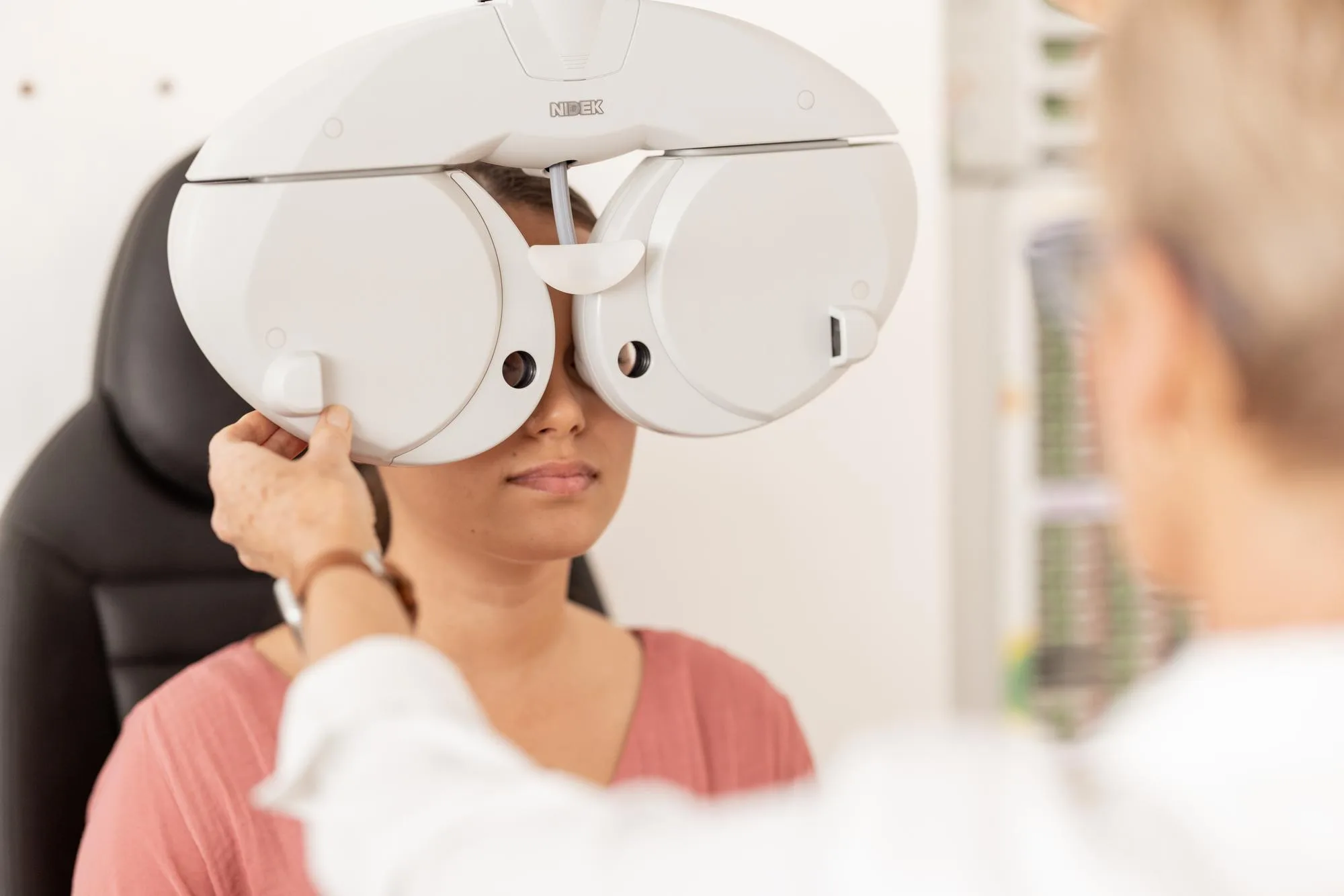
Walking into an eye specialist clinic for the first time can feel uncertain, especially when you are not sure what the appointment involves or how to prepare.
Most people wait longer than they should to book an eye specialist appointment, often because they do not know what to expect or whether their symptoms are serious enough to warrant a visit.
This guide explains what happens during your first appointment, what you should bring, and how to get the most value from your consultation.
Key Takeaways
- Booking an eye specialist appointment early helps catch issues before they affect daily life or work.
- Bringing your current glasses, relevant medical history and a list of symptoms ensures a more accurate assessment.
- The first visit typically includes vision tests, eye pressure checks and, where appropriate, imaging to evaluate eye health.
- Understanding the process reduces anxiety and helps you ask the right questions during your consultation.
Why Your First Eye Specialist Appointment Matters
Many eye conditions develop gradually without obvious warning signs. By the time symptoms become noticeable, the issue may already be affecting vision quality or eye health.
An eye specialist appointment allows for detailed evaluation beyond what a routine optical shop visit provides. Specialists use diagnostic equipment to detect early signs of conditions such as glaucoma, cataracts, retinal changes or corneal irregularities.
Early detection can allow certain conditions to be monitored or treated at an appropriate stage. Depending on the condition and its severity, timely management may help reduce the risk of further vision loss or other complications.
Rather than waiting until vision problems interfere with work, driving or daily activities, seeking an assessment when symptoms persist or risk factors are present can help ensure potential concerns are evaluated appropriately.

What to Bring to Your Appointment
Preparation makes the consultation more efficient and ensures the specialist has all the information needed for an accurate assessment.
Your Current Glasses or Contact Lenses
Bring any corrective eyewear you currently use, even if the prescription is outdated. This helps the specialist understand your vision history and compare current measurements against previous corrections.
Medical History and Medication List
Certain medical conditions and medications affect eye health. Diabetes, high blood pressure, autoimmune disorders and some medications can influence vision and treatment options.
Prepare a list of current medications, including supplements, and any known allergies.
Previous Eye Reports or Test Results
If you have seen another eye care provider previously, bring any reports, prescriptions or test results. This provides continuity and helps the specialist track changes over time.
A List of Symptoms and Questions
Write down what you have been experiencing: blurred vision, headaches, dry eyes, light sensitivity, floaters or any other concerns. Note when symptoms started and whether they have worsened.
Prepare questions you want to ask. This ensures you do not forget important points during the consultation.
What Happens During Your First Visit
Understanding the appointment structure helps reduce uncertainty and allows you to participate more actively in your care.
Registration and Medical History Review
The clinic will ask you to complete forms covering your medical history, family eye health history and current symptoms. This information helps the specialist assess risk factors and tailor the examination.
Vision Testing and Refraction
Your visual acuity will be tested using standard eye charts. The optometrist or specialist will determine your current prescription and whether corrective lenses are needed or require updating.
Eye Pressure Measurement
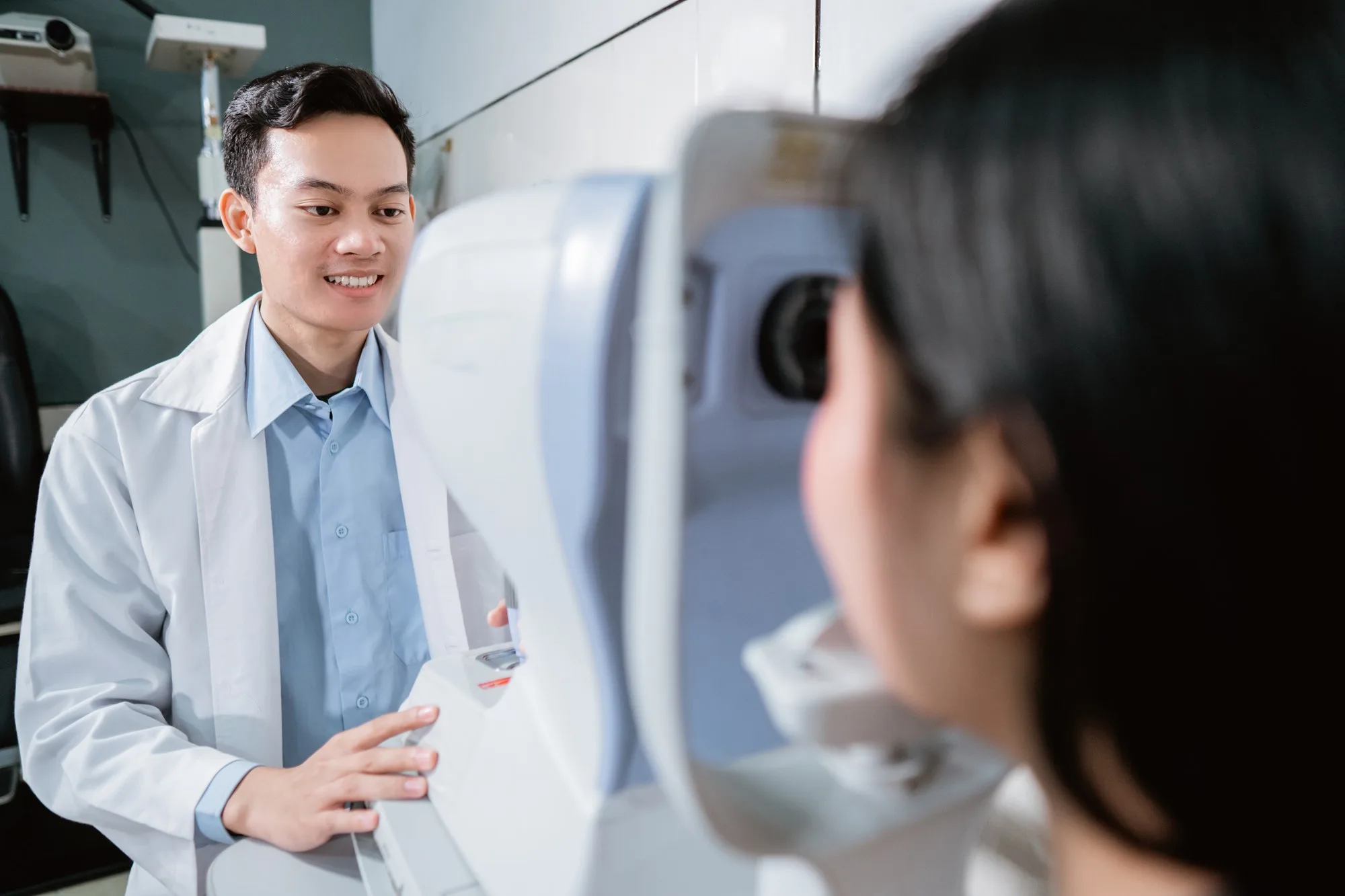
Intraocular pressure (IOP) may be measured as part of a comprehensive eye examination. Elevated eye pressure can be an important risk factor for glaucoma, although glaucoma can also occur when eye pressure is within the normal range.
Slit Lamp Examination
The specialist uses a slit lamp microscope to examine the front structures of your eye: the cornea, iris, lens and anterior chamber. This allows detailed assessment of eye health and detection of early abnormalities.
Retinal Examination
Your pupils may be dilated using eye drops to allow the specialist to examine the retina, optic nerve and blood vessels at the back of the eye. Dilation temporarily affects near vision and light sensitivity, so bring sunglasses if possible.
Additional Imaging if Required
Depending on your symptoms or findings, the specialist may perform optical coherence tomography (OCT), corneal topography or other imaging. These tests provide detailed cross-sectional images of eye structures.
How Long Does the Appointment Take?
A comprehensive first eye specialist appointment can take around 45 minutes to 90 minutes, depending on the complexity of your case and the tests required.
Dilation can extend the visit, as the drops take time to work and the effects last several hours. Plan accordingly if you need to drive or work afterwards.
Allow extra time for registration and paperwork if it is your first visit to the clinic.
Common Reasons People Book Their First Eye Specialist Appointment
Knowing when to see a specialist rather than relying on optical shops or general practitioners helps ensure appropriate care.
| Symptom or Concern | Why It Warrants a Specialist Visit |
|---|---|
| Sudden vision changes | May indicate retinal detachment, stroke or other urgent conditions requiring immediate evaluation. |
| Persistent blurred vision | Could signal cataracts, refractive error progression or underlying eye disease. |
| Eye pain or redness | May indicate infection, inflammation or increased eye pressure that needs medical treatment. |
| Floaters or flashes of light | Can be normal but may also indicate retinal tears or detachment requiring urgent attention. |
| Family history of eye disease | Increases risk for conditions like glaucoma or macular degeneration, making regular monitoring important. |
What to Expect After the Appointment
The specialist will discuss findings with you and explain whether treatment, monitoring or further testing is needed.
If corrective lenses are prescribed, you will receive an updated prescription. If a condition is detected, the specialist will outline suitable treatment options, whether that involves medication, monitoring or vision correction procedures such as CLEAR Pro, along with the expected timelines and follow-up requirements.
Some patients leave with a clean bill of health and a recommendation to return for routine monitoring. Others may need medication, lifestyle adjustments or surgical consultation depending on the diagnosis.
Ask for clarification if anything is unclear. Understanding your diagnosis and treatment plan helps you make informed decisions and follow through with recommended care.

Questions to Ask During Your Consultation
Active participation improves outcomes and ensures you leave the appointment with a clear understanding of your eye health.
Consider asking:
- What is causing my symptoms, and how serious is the condition?
- What treatment options are available, and what are the risks and benefits of each?
- How often should I return for follow-up appointments?
- Are there lifestyle changes I should make to protect my eye health?
- What warning signs should prompt an urgent visit?
Taking notes during the consultation or bringing someone with you can help you remember important details later.
Take the First Step Towards Clearer Vision and Better Eye Health
Booking your first eye specialist appointment is a proactive step towards understanding your vision and protecting long-term eye health. Knowing what to prepare and what to expect makes the process less intimidating and more productive.
If you are experiencing vision changes, eye discomfort or simply want a comprehensive eye health assessment, schedule a consultation with VISTA Eye Specialist.
With experienced doctors such as Dr. Shamala Ganesan and Dr. Nur Hafidza Binti Asiff across multiple locations in Malaysia, VISTA provides thorough evaluations and personalised care tailored to your needs.
Visit VISTA Eye Specialist today to arrange your assessment and take the next step towards understanding and managing your eye health.