
You assume your eyes are fine because you can still see clearly. No pain, no blur, no problem.
But clear vision does not always mean your eyes are healthy. Some eye conditions can develop gradually without noticeable symptoms, and by the time changes in vision become apparent, irreversible damage may have already occurred.
Regular eye screening in Malaysia is not about fixing problems after they appear. It can help detect certain eye conditions and risk factors earlier, when timely monitoring or treatment may help protect your vision.
Key Takeaways
- Many serious eye conditions can develop without noticeable early symptoms, making regular eye examinations essential for early detection.
- Eye screening Malaysia services can identify risks before vision loss occurs, particularly for conditions like glaucoma and diabetic retinopathy.
- Delaying eye checks may lead to more complex treatment and increase the likelihood of vision loss.
- Routine eye assessments are recommended for adults over 40, individuals with diabetes, and anyone with a family history of eye disease.

Why Clear Vision Does Not Mean Healthy Eyes
Most people judge eye health by how well they can see. If reading is comfortable and distance vision is sharp, many assume everything is fine. This highlights the dangers of self-diagnosing, as serious eye conditions can develop without obvious symptoms.
This logic ignores a critical fact: many sight-threatening conditions develop silently. Glaucoma damages peripheral vision so gradually that patients often do not notice until significant vision is lost. Diabetic retinopathy can progress in the retina without affecting central vision until late stages.
By the time these conditions cause noticeable symptoms, treatment becomes more complex and outcomes less predictable. Early detection through screening allows intervention when the condition is easier to manage and vision can still be preserved.
What Eye Screening Actually Detects
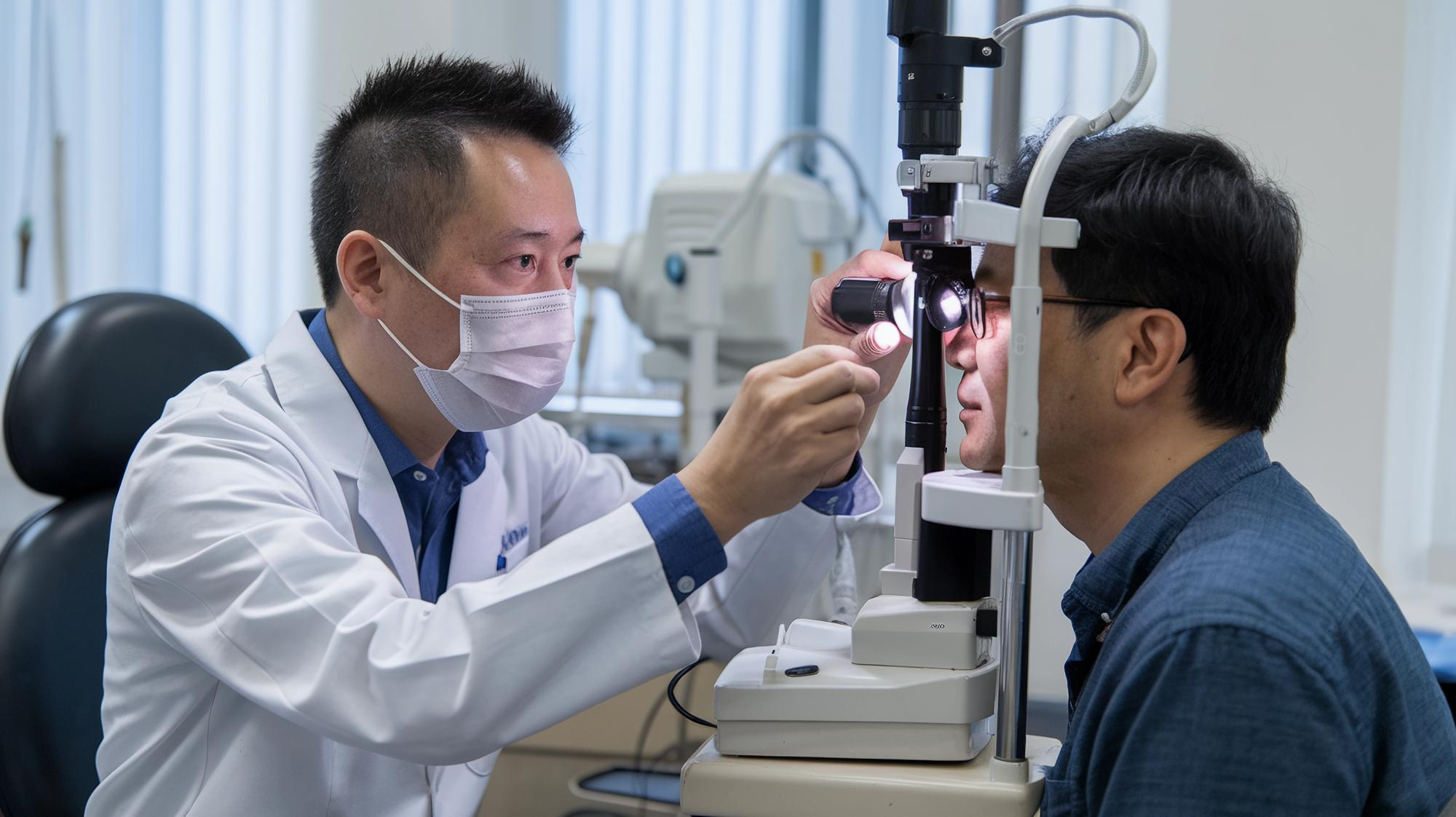
Eye screening is not just a vision test. It is a clinical examination designed to assess eye health and identify early signs of disease.
A comprehensive eye screening typically includes:
- Intraocular pressure measurement: Elevated pressure may indicate glaucoma risk, even when vision appears normal.
- Retinal examination: Detects changes caused by diabetes, hypertension or age-related macular degeneration before symptoms develop.
- Corneal assessment: Identifies surface irregularities, dry eye disease or early signs of keratoconus.
- Visual field testing: Maps peripheral vision to detect early glaucoma or neurological issues.
- Lens clarity evaluation: Monitors for early cataract formation, particularly in patients over 50.
These tests provide a baseline for future comparison and allow specialists to track changes over time. Regular eye examinations make eye care into a proactive process rather than a reactive one.

The Cost of Waiting Until Symptoms Appear
Delaying eye screening until vision problems become noticeable may allow some eye conditions to progress, potentially requiring more intensive treatment or monitoring.
Consider glaucoma. When detected early, it can often be managed with medication or minimally invasive procedures. When diagnosed after significant vision loss, treatment may require surgery and the lost vision cannot be recovered.
Diabetic retinopathy follows a similar pattern. Early-stage changes detected during screening can be monitored and managed with better blood sugar control. Advanced retinopathy may require laser treatment or injections to prevent further deterioration.
Cataract progression is another example. Early detection allows patients to plan surgery at an appropriate time, when lens replacement offers the best visual outcome. Waiting too long can lead to denser cataracts that complicate surgery and recovery.
The pattern is consistent: earlier detection through screening reduces the likelihood of invasive intervention and improves long-term visual outcomes.
Who Should Prioritise Regular Eye Screening
While everyone can benefit from periodic eye examinations, certain groups face higher risk of eye conditions and should discuss an appropriate screening schedule with an eye care professional.
Adults Over 40
Age-related eye conditions such as presbyopia, cataracts and glaucoma become more common with age. The appropriate frequency of eye examinations depends on individual risk factors, so discuss a suitable schedule with your eye care professional.
Individuals with Diabetes
Diabetic retinopathy is a leading cause of preventable blindness. Annual retinal screening is essential for anyone with diabetes, even when blood sugar levels are well controlled and vision appears normal.
People with Family History of Eye Disease
Some eye conditions, including glaucoma, macular degeneration and high myopia often run in families. If a parent or sibling has been diagnosed with these eye conditions, discuss your individual risk and whether earlier or more frequent eye examinations are appropriate.
Contact Lens Wearers
Long-term contact lens use can affect corneal health and increase the risk of complications such as dry eye or eye infections. Regular eye examinations ensure the cornea remains healthy and that prescription remains accurate.
Individuals with High Myopia
High myopia increases the risk of retinal detachment, glaucoma and early cataracts. Regular comprehensive eye examinations can help monitor these risks and identify changes that may require further assessment or treatment.

How Often Should You Schedule Eye Screening?
The appropriate frequency of eye examinations depends on your age, medical history, family history and individual risk factors. Your ophthalmologist can recommend a screening schedule based on your specific needs.
| Age Group | Recommended Frequency | Additional Considerations |
|---|---|---|
| 18-39 years | Every 2-3 years | More frequent if high myopia or family history |
| 40-64 years | Every 1-2 years | Annual if diabetic or glaucoma risk |
| 65 years and above | Annually | More frequent if existing eye conditions |
These are general guidelines. Individual circumstances may require more frequent monitoring, particularly if early signs of disease are detected or if risk factors change.
What Happens When Screening Finds Something
Finding an abnormality during eye examinations does not automatically mean vision loss is imminent. It means the condition has been identified early, when options are still available.
Depending on the findings, follow-up may include:
- Closer monitoring with repeat testing in a few months
- Referral to a specialist for detailed assessment
- Lifestyle or medication adjustments to slow progression
- Scheduled treatment such as laser therapy or surgery when appropriate
Early detection through eye examinations Malaysia services shifts the focus from managing symptoms to preventing them. This approach preserves vision, reduces treatment burden and improves long-term outcomes.
Screening Is Not the Same as a Routine Vision Test
Many people assume that getting a new pair of glasses means their eyes have been checked. A vision test at an optical shop primarily assesses refractive error but does not necessarily provide a comprehensive assessment of eye health.
Comprehensive eye screening involves diagnostic equipment and clinical expertise to evaluate structures inside the eye. It detects conditions that a simple vision test cannot identify.
Relying solely on vision correction without periodic eye examinations may leave serious conditions undetected until symptoms force a visit to the clinic.
Take Action Before Symptoms Force It
Eye screening is one of the most effective ways to protect long-term vision. It identifies risks before they become problems and allows treatment when it is most effective.
If you have not had a comprehensive eye check in the past two years, or if you fall into a higher-risk category, scheduling a screening should be a priority. Dr. Vienne Tai Pih Yih and the team at VISTA Eye Specialist provide thorough eye assessments tailored to individual risk profiles, helping patients across Malaysia maintain healthy vision through early detection and proactive care.
Book a comprehensive eye examination at any VISTA Eye Specialist location to ensure your eyes are monitored, understand your individual risks and make informed decisions about your long-term eye health.