
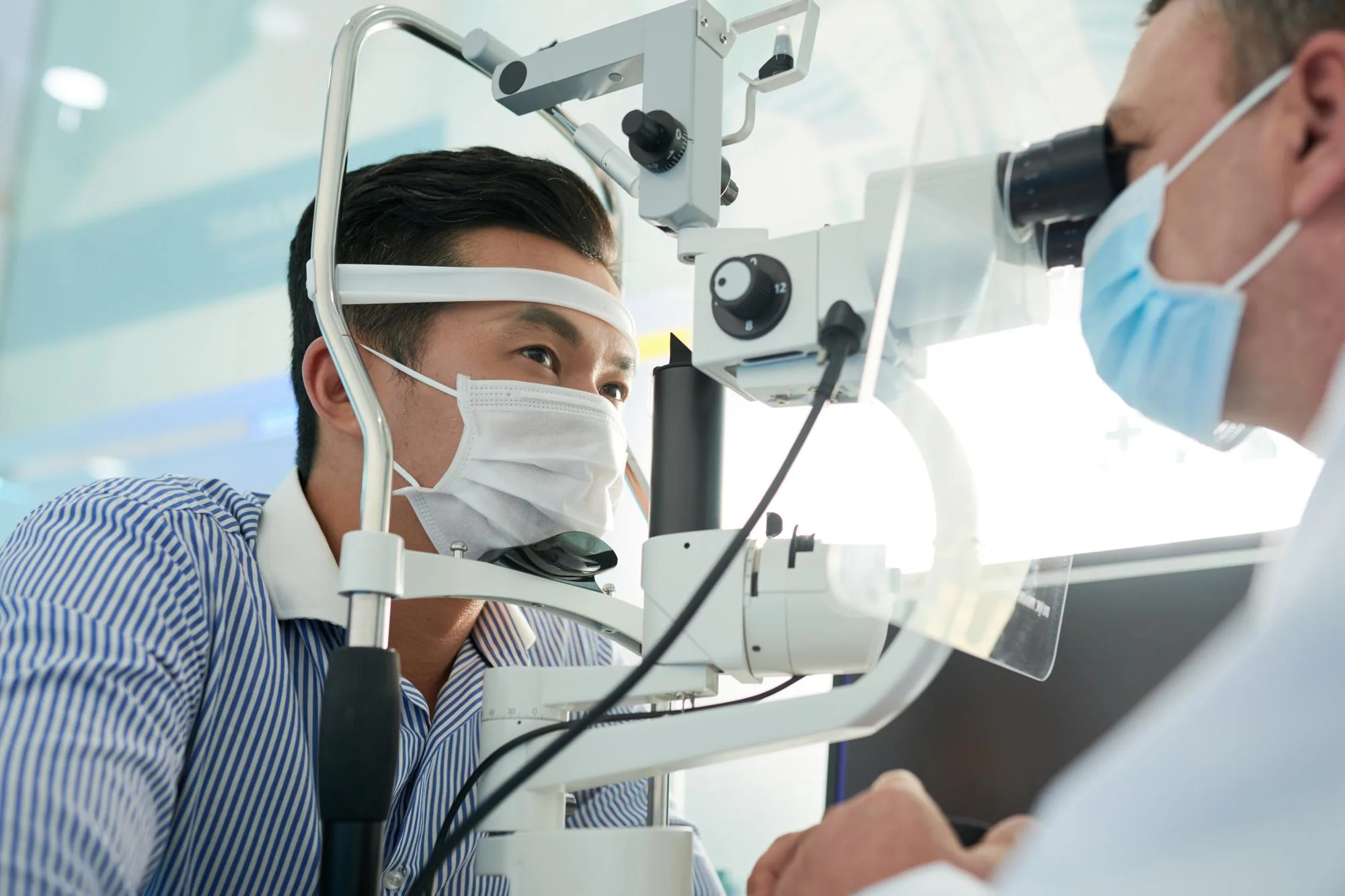
Most people wait until something feels wrong before thinking about an ophthalmologist.
Blurred vision, persistent discomfort, sudden flashes of light. These are the moments that send people searching “ophthalmologist near me” at midnight, hoping the problem will resolve itself by morning.
But knowing when to see an eye specialist, and how to choose one who fits your needs, can help ensure that potential eye problems are assessed appropriately and treated when necessary.
Key Takeaways
- Ophthalmologists are medical doctors who diagnose, treat eye diseases and conditions and may perform eye surgery.
- You should see an ophthalmologist for sudden vision changes, persistent eye pain, chronic conditions like diabetes, or when considering vision correction surgery.
- Finding the right specialist involves checking qualifications, experience with your specific condition, and the range of diagnostic technology available.
- Regular eye examinations can help detect eye conditions early, even when symptoms are not yet noticeable.
What Does an Ophthalmologist Actually Do?
An ophthalmologist is a medical doctor who specialises in eye and vision care. Unlike optometrists who primarily conduct eye tests and prescribe glasses, ophthalmologists complete medical school, followed by specialised training in eye diseases and conditions, including eye surgery.
They diagnose and manage conditions ranging from refractive errors to complex diseases affecting the retina, cornea and optic nerve. They may also perform surgical procedures such as cataract surgery, laser vision correction and glaucoma surgery, depending on their subspecialty and training and scope of practice.
This level of medical and specialist training allows ophthalmologists to manage both routine vision concerns and serious medical conditions that threaten sight.

Six Clear Signs You Need an Ophthalmologist
Certain symptoms should prompt immediate consultation with an eye specialist, not a wait-and-see approach.
Sudden Vision Changes
Abrupt blurring, sudden loss of vision in one eye, or new dark spots appearing in your visual field require urgent assessment.
These changes can be associated with retinal detachment, stroke affecting the eye, or other conditions where timely assessment and treatment may be important.
Persistent Eye Pain or Redness
Eye discomfort that lasts beyond a day or two, especially when accompanied by light sensitivity or discharge, may indicate infection, inflammation or increased eye pressure.
These conditions require medical diagnosis and treatment, not over-the-counter drops.
Flashes of Light or Floating Spots
Occasional floaters are common, but a sudden increase in floaters, flashes of light, or a curtain-like shadow across your vision can indicate retinal tears or detachment.
Early treatment can prevent permanent vision loss when a retinal tear or detachment is detected. .
Chronic Health Conditions
Diabetes, high blood pressure and autoimmune diseases can affect eye health long before symptoms appear.
Regular ophthalmologist visits allow early detection of diabetic retinopathy, hypertensive changes or inflammation that could damage vision if untreated.
Family History of Eye Disease
Conditions such as glaucoma, age-related macular degeneration and certain retinal diseases can have a hereditary component.
If close relatives have been diagnosed with an eye condition, discuss with an ophthalmologist whether you may benefit from earlier or more frequent eye examinations based on your individual risk.
Considering Vision Correction Surgery
Anyone considering vision correction procedures needs a thorough ophthalmologist assessment.
These evaluations determine suitability, identify any underlying conditions that might affect outcomes, and ensure realistic expectations about results and recovery.
How Age Changes Your Eye Care Needs
The type and frequency of eye care you need shifts across different life stages.
Children and Teens (5-17)
Regular eye examinations help detect refractive errors, lazy eye and alignment issues early. Children with progressive myopia may benefit from myopia control strategies that slow the rate of vision deterioration.
Young Adults (18-40)
This age group often explores vision correction options such as iLASIK. Comprehensive pre-surgical assessments ensure corneal health, stable prescriptions and suitability for the most appropriate procedure.
Middle Age and Beyond (40+)
Presbyopia, cataracts and age-related conditions become more common with age. Regular eye examinations can help detect early signs of glaucoma, age-related macular degeneration or diabetic eye disease, allowing appropriate monitoring and treatment where necessary.
Finding the Right Ophthalmologist Near You
Proximity matters, but it should not be the only factor when choosing an eye specialist.
Check Qualifications and Experience
Verify that the ophthalmologist is registered with the Malaysian Medical Council and holds relevant subspecialty training if your condition requires it. Experience with your specific concern, whether cataracts, retinal disease or refractive surgery, directly influences outcomes.
Assess Diagnostic Technology
Modern eye care relies on advanced imaging and diagnostic equipment. Clinics equipped with tools such as OCT scans, corneal topography and comprehensive retinal imaging can detect subtle changes and plan treatment more precisely.
Consider Communication Style
A good ophthalmologist explains conditions clearly, answers questions without rushing, and ensures you understand your options. This becomes especially important when deciding between treatment approaches or preparing for surgery.
Evaluate Post-Treatment Support
Recovery and follow-up care matter as much as the procedure itself. Clinics with structured post-operative protocols and accessible support reduce complications and improve long-term results.

What to Expect During Your First Visit
Initial consultations typically include several components designed to build a complete picture of your eye health.
You may undergo visual acuity testing, eye pressure measurement and a detailed examination of the front and back of your eyes. The ophthalmologist may dilate your pupils to examine the retina and optic nerve more thoroughly.
Depending on your symptoms or medical history, additional tests such as corneal mapping, retinal imaging or visual field testing may be recommended. These assessments help identify conditions that are not yet causing noticeable symptoms.
Bring a list of current medications, details of any previous eye problems or surgeries, and questions you want addressed. If you wear glasses or contact lenses, bring your most recent prescription.
Common Conditions Treated by Ophthalmologists
| Condition | What It Affects | Typical Treatment Approach |
|---|---|---|
| Cataracts | Lens clarity | Surgical lens replacement when cataracts affect vision or daily activities |
| Glaucoma | Optic nerve and peripheral vision | Eye drops, laser treatment or surgery to control eye pressure |
| Diabetic Retinopathy | Retinal blood vessels | Blood sugar control, laser treatment, injections or other treatments depending on severity |
| Dry Eye Disease | Tear production and quality | Artificial tears, prescription drops, specialised treatments |
| Refractive Errors | Focusing ability | Glasses, contact lenses or vision correction surgery |
Why Regular Eye Exams Matter Even Without Symptoms
Many serious eye conditions develop gradually without early warning signs. Glaucoma, for instance, can damage peripheral vision long before you notice anything wrong. By the time symptoms appear, significant irreversible damage may have occurred.
Regular comprehensive eye examinations allow ophthalmologists to detect subtle changes in eye pressure, optic nerve appearance or retinal health. Early intervention often prevents progression and preserves vision that would otherwise be lost.
The recommended frequency of eye examinations depends on your age, overall health and individual risk factors. Your ophthalmologist can advise how often you should be reviewed. Those with diabetes, family history of eye disease, high myopia or other risk factors may need annual or more frequent assessments.

Questions to Ask Before Choosing Your Ophthalmologist
Before committing to treatment or ongoing care, clarify key points that affect your experience and outcomes.
Ask about the ophthalmologist’s experience with your specific condition or procedure. Experienced specialists, such as Dr. Adrian Chuah Khai Choon, should be able to explain what recovery typically involves and answer your questions clearly. Understanding what to expect reduces anxiety and helps you prepare properly.
Confirm what diagnostic tests will be performed and why each is necessary. This ensures you understand the assessment process and the reasoning behind treatment recommendations.
Discuss follow-up care protocols, including how many post-treatment visits are included and how concerns between appointments are handled. Clear communication about ongoing support prevents gaps in care.
Take the Next Step Toward Clearer Vision
Finding the right ophthalmologist near you involves more than convenience. It requires assessing qualifications, experience with your specific needs, and the quality of diagnostic technology and ongoing care.
Whether you are experiencing symptoms that concern you, managing a chronic condition, or considering vision correction options, a comprehensive assessment provides the foundation for informed decisions.
VISTA Eye Specialist offers complete eye care services across multiple locations in Malaysia, with experienced ophthalmologists and advanced diagnostic technology.
Schedule a consultation at your nearest VISTA centre to discuss your eye health needs and explore the most suitable treatment options for your individual situation.