
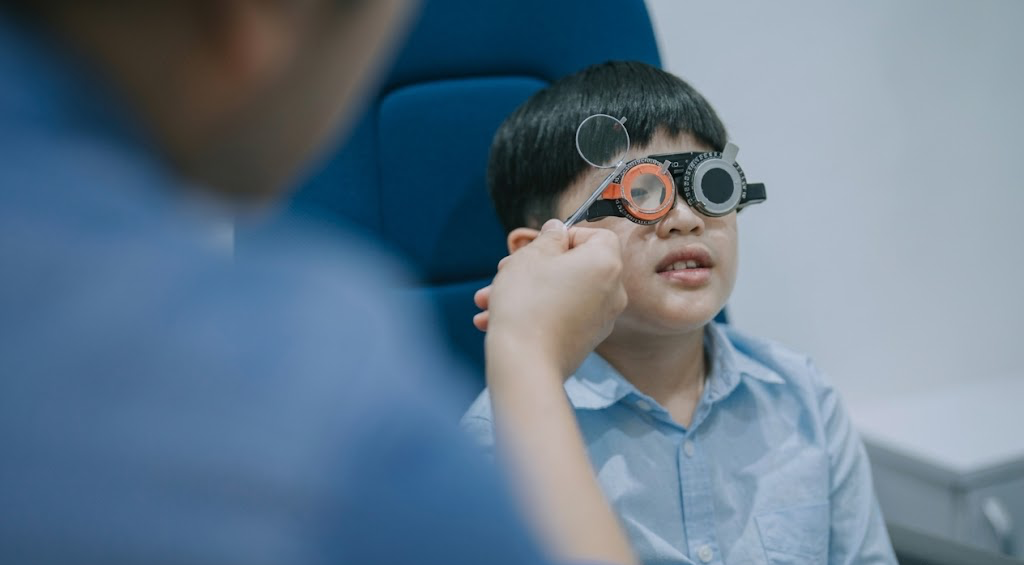
Watching your child’s spectacle prescription increase year after year can be worrying. You may wonder whether it’s simply part of growing up or if there’s something more you can do.
If you’re looking into myopia control in Malaysia, understanding how myopia progresses and the management options available can help you make informed decisions that support your child’s long-term eye health.
Key Takeaways
- Myopia, also known as short-sightedness, often begins during childhood and may continue to progress as children grow.
- Early management may help slow the progression of myopia, depending on the child’s individual condition.
- Regular eye examinations are important for monitoring changes in vision.
- A personalised assessment by an eye specialist can determine the most suitable myopia management approach.
- Encouraging healthy visual habits may also support your child’s overall eye health.
Why Is Myopia Becoming More Common in Children?
It can be surprising when your child suddenly struggles to see the whiteboard at school or starts squinting while watching television. In many cases, these are early signs of myopia.
Myopia occurs when the eye grows slightly longer than normal or when light focuses in front of the retina instead of directly on it. As a result, distant objects appear blurry while close-up vision remains clear. Although genetics play a role, lifestyle habits may also contribute to the development and progression of myopia. Spending long hours on near work such as reading, studying and using digital devices, together with limited time outdoors, may increase the likelihood of myopia becoming worse.
As more children spend time learning and playing indoors, parents are becoming increasingly aware of the importance of early eye care.
The Small Changes Parents Often Notice First
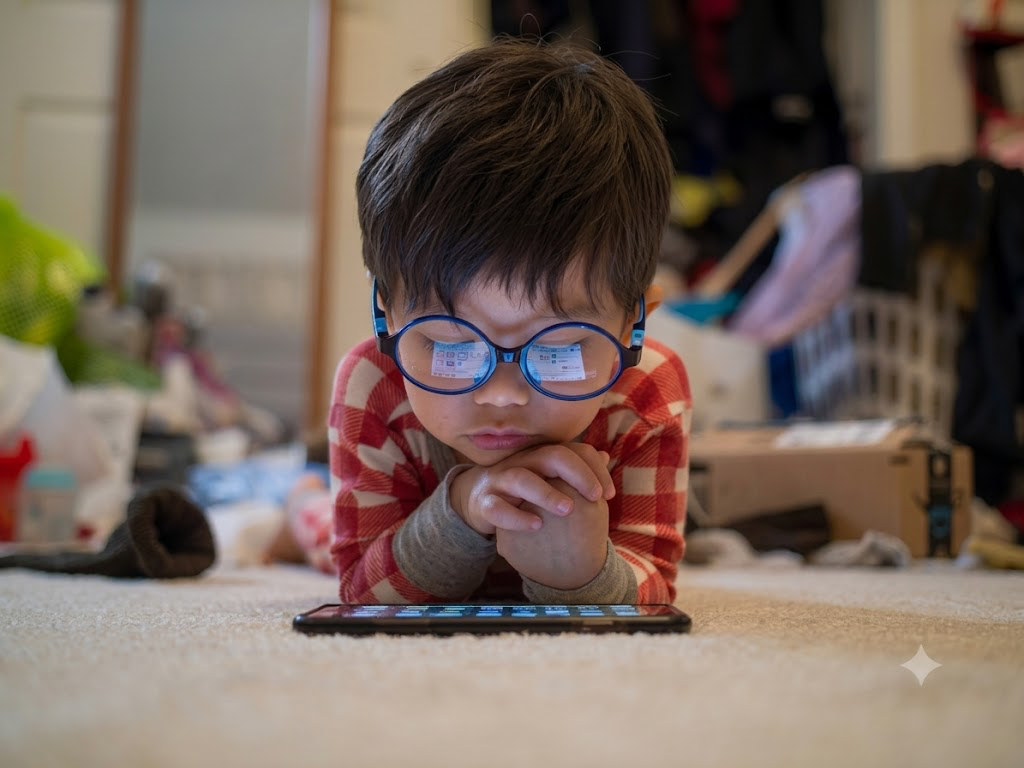
It’s often not the child who notices their vision has changed, it’s the parent or teacher. Myopia tends to develop gradually, so a child simply adjusts to seeing the world a little blurrier each time, without realising anything is wrong.
A comprehensive eye examination may be worth considering if you’ve noticed your child:
- Sitting very close to the television
- Holding books or tablets close to the face
- Squinting to see distant objects
- Complaining of headaches after school
- Frequently rubbing their eyes
- Struggling to see the classroom whiteboard
- Losing interest in activities that require distance vision
Why Early Myopia Management Matters
Many parents assume that stronger spectacles each year are simply part of childhood. However, increasing myopia may raise the risk of developing certain eye conditions later in life.While myopia cannot always be prevented, managing its progression during childhood may help reduce the rate at which it worsens, depending on individual suitability.
The earlier changes are identified, the more opportunities there may be to discuss appropriate management strategies with an eye specialist.This is why routine eye examinations play such an important role, even if your child has not complained about their vision.
What Happens During a Myopia Assessment?
If you’re exploring myopia control Malaysia, the first step is a thorough eye assessment.
During the consultation, your eye specialist may:
- Measure your child’s vision and spectacle prescription
- Assess overall eye health
- Review family history and lifestyle habits
- Monitor changes in eye growth over time
- Discuss suitable myopia management options based on your child’s individual needs
Every child’s eyes are different. A personalised assessment helps ensure that any recommendations are appropriate for their age, prescription and overall eye health.
Understanding Myopia Management Options
Depending on your child’s eye condition, age and visual needs, your eye specialist may recommend one or more myopia management approaches available at Vista. The goal of myopia management is not necessarily to eliminate myopia but to help slow its progression where appropriate.
Your eye specialist will explain the benefits and suitability of each option so that you can make an informed decision together.
Regular reviews are equally important, as your child’s vision may continue to change throughout their growing years.
Everyday Habits That Can Support Healthy Vision
While professional eye care is important, healthy daily habits can also contribute to good visual health. These habits may not stop myopia from progressing, but they can help reduce visual strain and support overall eye comfort.
Encourage Regular Outdoor Activities
Time spent outdoors exposes the eyes to natural light and allows them to focus on objects at varying distances, which may help reduce the strain associated with prolonged near work.
Take Breaks During Prolonged Reading or Screen Use
Continuous close-up focus, whether on books or screens, can tire the eyes. Short, regular breaks give them a chance to rest and refocus.
Maintain a Comfortable Reading Distance
Holding reading material too close to the face increases strain on the eyes over time. Keeping a comfortable, vision-friendly distance supports more relaxed, natural focusing.
Ensure Good Lighting While Studying
Poor lighting can cause children to squint or lean in closer to see clearly, both of which add unnecessary strain during study sessions.
Attend Scheduled Eye Examinations
Regular check-ups allow any changes in your child’s vision to be identified and addressed early, keeping their myopia management plan on track.
How Often Should Your Child Have an Eye Examination?
Children’s eyes develop quickly, especially during their school years.
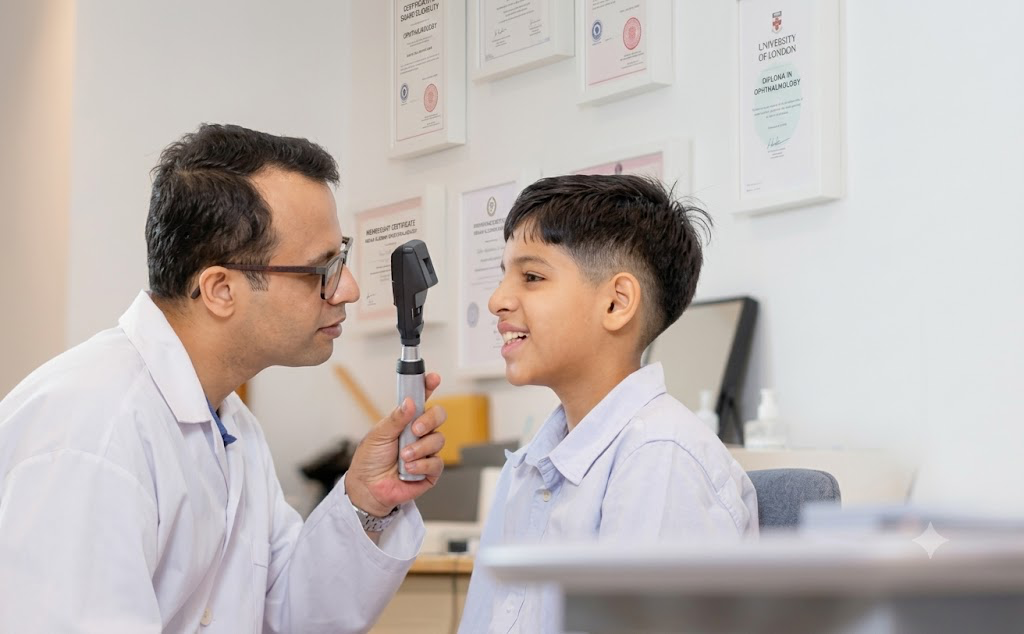
Even if your child already wears spectacles, regular follow-up appointments allow your eye specialist to monitor changes in their prescription and assess whether their current myopia management plan remains appropriate. According to Dr. Paul Lim Chern Pin, Consultant Ophthalmologist at Vista, consistent monitoring during these growing years is often what makes the biggest difference in managing myopia effectively over the long term.
Parents should also arrange an eye examination sooner if they notice changes such as frequent squinting, declining school performance related to vision or repeated complaints of blurred distance vision.
Monitoring vision over time allows any changes to be identified early and managed appropriately.
Supporting Your Child’s Vision for the Future
While myopia is becoming increasingly common, early assessment and appropriate management may help slow its progression for some children. The most important step is recognising changes early and seeking professional advice before the prescription continues to increase.
A comprehensive eye examination provides valuable information about your child’s vision and helps determine the most suitable management approach based on their individual needs. With regular monitoring and personalised care, you can feel more confident that your child’s eye health is being supported as they grow.
If you’re concerned about your child’s short-sightedness or have noticed changes in their vision, consider arranging a consultation with the eye specialists at Vista Eye Specialists to discuss whether myopia control Malaysia may be appropriate for your child.