
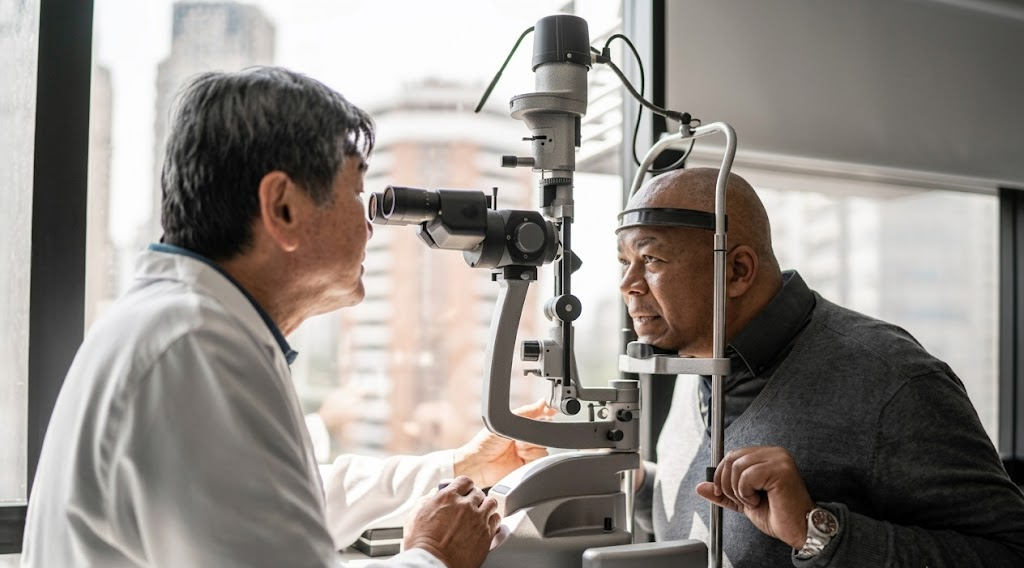
Most of us remember to visit the dentist or go for our annual health screening, but when was the last time you had your eyes checked? Even if your vision seems perfectly fine, many eye conditions can develop without obvious symptoms in the early stages.
Whether you’re a busy working adult, a parent looking after your child’s eyesight or someone enjoying retirement, scheduling an eye check up in Malaysia is one of the simplest ways to protect your vision for years to come.
Key Takeaways
- Regular eye check-ups help detect vision changes and eye conditions early, even before symptoms appear.
- The recommended frequency of eye examinations varies depending on your age, lifestyle and overall eye health.
- Children, adults over 40 and people with certain medical conditions may benefit from more regular eye assessments.
- A comprehensive eye examination evaluates more than just your eyesight.
- Early detection allows for timely management and informed treatment decisions where appropriate.
Your Eyes Change More Than You Think
Our eyes work hard every day, from reading messages on our phones to driving, working and enjoying time with our loved ones. Just like the rest of our body, our eyes naturally change over time.
Some vision changes happen gradually, making them easy to overlook. In fact, many common eye conditions such as cataracts, glaucoma and retinal diseases may not cause noticeable symptoms during their early stages.
This is why having a regular eye check up in Malaysia is important, even if you believe your vision is still good.
Why Regular Eye Check-Ups Matter
Many people only visit an eye specialist when they experience blurry vision or discomfort. However, waiting until symptoms appear may mean certain eye conditions have already progressed.
A comprehensive eye examination can help:
- Assess your overall eye health
- Detect changes in your vision
- Identify eye conditions in their earlier stages
- Monitor existing eye conditions
- Provide personalised advice based on your individual needs
Early detection does not always mean immediate treatment is required. In some cases, your eye specialist may simply recommend regular monitoring to keep track of any changes over time.
How Often Should You Have an Eye Check-Up?
There is no single answer that applies to everyone. The right schedule depends on your age, lifestyle, family history and general health.
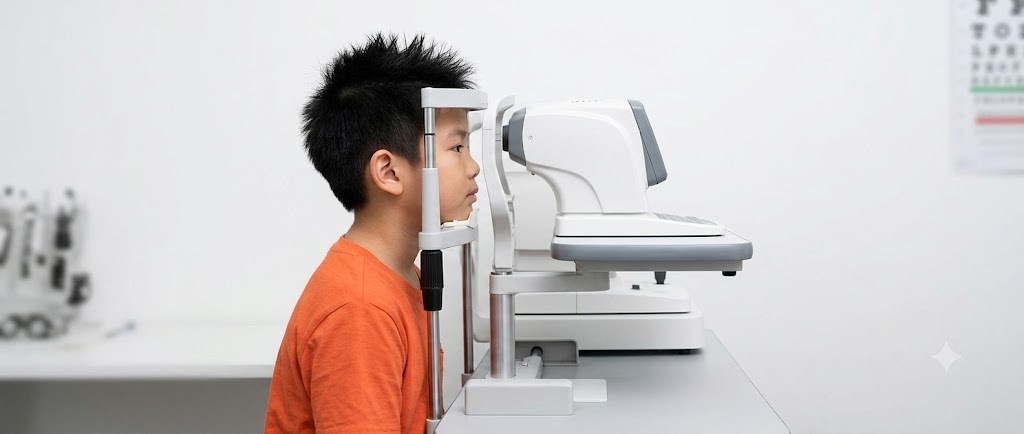
Children
Good vision plays an important role in learning and development. If your child struggles to read, frequently rubs their eyes or complains of headaches, an eye examination may help identify any underlying vision problems.
Even if there are no obvious concerns, regular eye assessments can help monitor healthy visual development.
Working Adults
Many adults spend long hours looking at computers, smartphones and tablets.
Digital eye strain, dry eyes and changes in vision are becoming increasingly common. Regular eye examinations help ensure your eyes remain healthy while identifying any changes that may require attention.
Adults Over 40
As we age, the risk of developing certain eye conditions naturally increases.
Conditions such as cataracts, glaucoma and age-related changes in vision become more common after the age of 40. Regular eye examinations become increasingly important during this stage of life.
People Living with Diabetes
Diabetes can affect the small blood vessels in the retina, sometimes without causing noticeable symptoms initially.
Regular eye examinations are an important part of diabetes management and may help detect diabetic eye disease before significant vision changes occur.
It’s More Than Just Reading Letters on a Chart
Many people think an eye check-up simply involves reading letters from a distance.
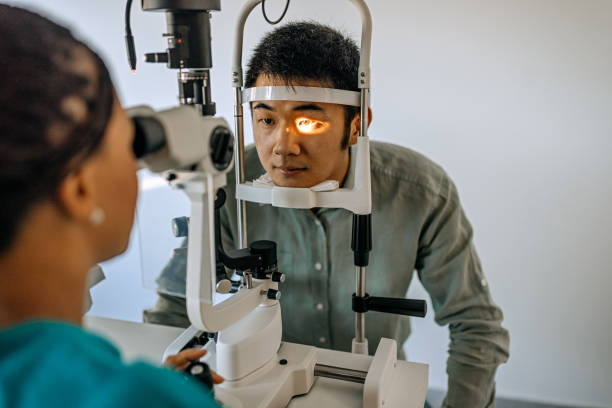
A comprehensive eye examination looks at much more than your visual clarity.
Depending on your individual needs, your eye specialist, such as Dr. Shamala Ganesan (Consultant Ophthalmologist), may assess:
- Your vision
- Your eye pressure
- The health of your retina
- The condition of your optic nerve
- Your eye movements
- The front structures of your eyes
These assessments help provide a complete picture of your eye health and support informed treatment decisions if necessary.
Don’t Ignore These Warning Signs
While regular eye examinations are recommended even without symptoms, certain changes should prompt you to arrange an assessment sooner.
These include blurred or cloudy vision, sudden changes in eyesight, frequent headaches related to vision, eye pain or persistent discomfort, flashes of light or a sudden increase in floaters, difficulty seeing at night, and redness that does not improve.
Although these symptoms do not always indicate a serious condition, they should be assessed by an eye specialist.
Can Lifestyle Affect Your Eye Health?
Yes. Everyday habits can have an impact on your vision over time.
Take Regular Breaks from Digital Screens
Frequent screen use can strain your eyes, so short breaks throughout the day can help ease discomfort.
Wear Sunglasses Outdoors
Protecting your eyes from UV exposure may help reduce long-term risk to your eye health.
Eat a Balanced Diet
Nutrients from a varied diet support overall eye health over time.
Manage Medical Conditions Such as Diabetes
Keeping underlying conditions well controlled can help protect your vision.
Avoid Smoking
Smoking is linked to a higher risk of several eye conditions, so avoiding it supports long-term eye health.
Attend Regular Eye Examinations
Routine check-ups help catch changes early, alongside the healthy habits above.
These healthy habits work alongside professional eye care to support your long-term vision.
Looking After Your Vision Is a Lifelong Habit
Your eyesight supports almost everything you do each day, from working and driving to spending time with family and enjoying your favourite hobbies. Looking after your eyes should not begin only when problems arise.
A regular eye check up in Malaysia allows your eye specialist to monitor your vision, identify changes early and recommend suitable management based on your individual eye health. Whether you are bringing your child for an examination or arranging one for yourself, taking action today can help protect your vision for the future.
If it has been a while since your last eye examination, visit Vista Eye Specialist to learn more about comprehensive eye examinations and arrange an appointment with an eye specialist.